Fabric by Application, Stylish & Crafted Fabric

The Timeless Fabric That Defines Comfort

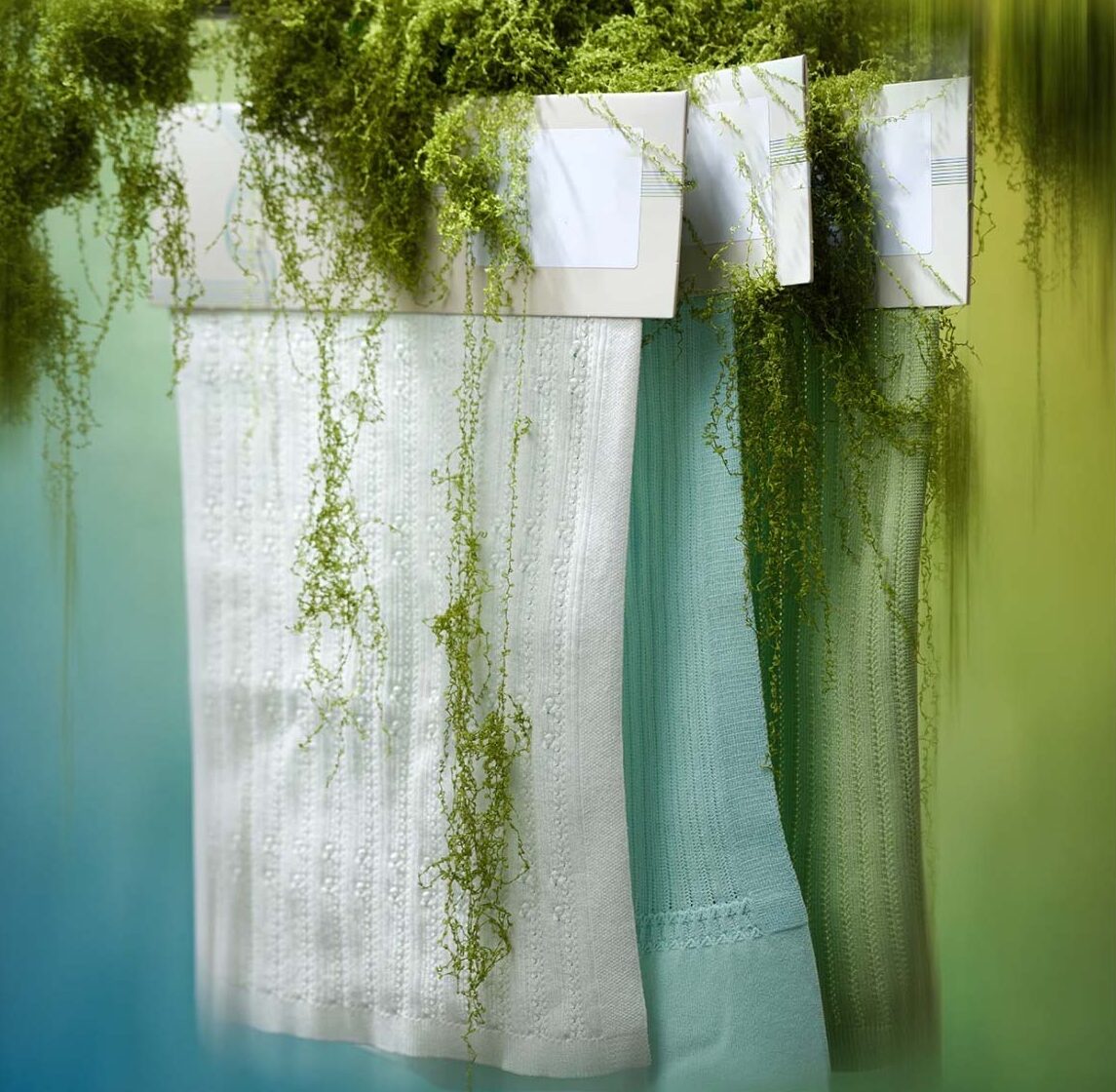
Cotton fabric is one of the most widely used natural fabrics in daily life, favored by people for its excellent performance and comfortable wearing experience.
In terms of characteristics, cotton fabric has outstanding breathability. The fiber structure of cotton has many small pores, which allow air to flow freely between the fabric and the skin, effectively dissipating heat and moisture from the body, thus keeping the skin dry and cool. It also has good moisture absorption; cotton can absorb moisture equivalent to 20% of its own weight without feeling damp, which is very suitable for wearing in hot and humid weather. In addition, cotton fabric is soft and skin-friendly, with no irritation to the skin, making it suitable for people of all ages, including babies and those with sensitive skin.
Cotton fabric has a wide range of application scenarios. In clothing, it is used to make various types of clothes such as T-shirts, shirts, skirts, and jeans. Cotton T-shirts are soft and comfortable, suitable for daily casual wear; cotton shirts are breathable and neat, suitable for both daily wear and work occasions. In home textiles, cotton is widely used in the production of bed sheets, quilt covers, towels, and tablecloths. Cotton bed sheets are soft and skin-friendly, providing a comfortable sleeping environment; cotton towels have good water absorption, making them convenient for daily use.
When purchasing cotton fabric products, there are several points to pay attention to. First, check the cotton content. Generally, the higher the cotton content, the better the breathability and comfort of the product. You can check the product label to confirm the cotton content. Second, observe the fabric texture. High-quality cotton fabric has a fine and uniform texture, no obvious defects such as broken threads and stains, and the hand feel is soft and smooth. Third, consider the fabric density. The higher the density of the cotton fabric, the more durable it is. You can judge the density by observing the tightness of the fabric weave.
In terms of care and maintenance, cotton fabric products need to be washed properly. It is recommended to wash them with cold or warm water (below 30°C) to avoid shrinkage. Do not use strong alkaline detergents, as they may damage the cotton fibers and affect the service life of the product. When drying, it is best to dry them in a cool and ventilated place, avoiding direct sunlight, which may cause the fabric to fade. For cotton clothes that are prone to wrinkling, you can iron them at a medium temperature after washing to make them neat and flat.
  • Fabric

Weaving is one of humanity's oldest dialogues with civilization. Warp and weft threads shuttle through time, intertwining wisdom and aesthetics into enduring softness. From the breathability of natural fibers to the innovation of technical fabrics, every inch of textile carries the balance between function and beauty. It is not merely material for covering and warming, but also a silent language for self-expression and connecting with the world.

EVENT INFO

For further information regarding the event, we kindly advise you to follow our official platforms: website henggentextile.com and our social media accounts. Thank you for your interest!

Textile is the art of warp and weft interweaving, as well as a soft thread that weaves together modern fashion and comfortable living.

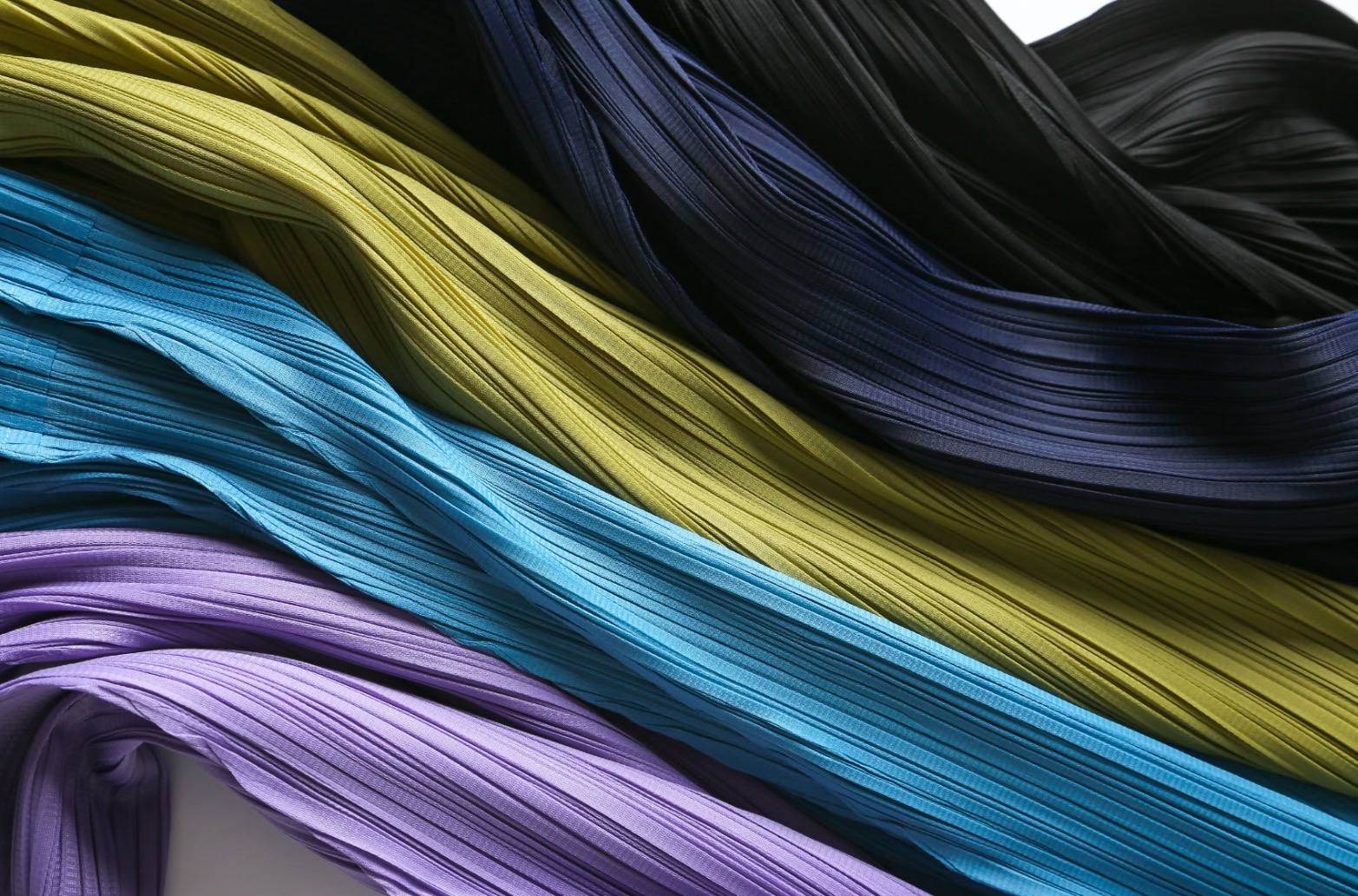
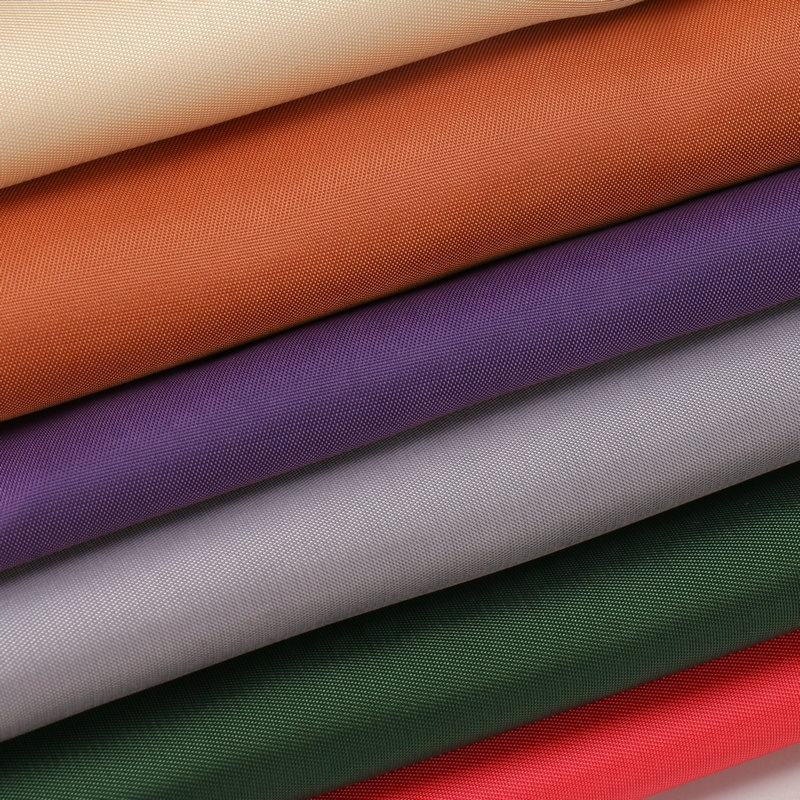
This is no ordinary color, but a visual feast. The fabric's hues are so intensely saturated they seem to have been steeped in sunlight, radiating a vitality that feels almost alive. Deep, rich pigments penetrate every fiber, creating extraordinarily pure and vibrant shades—a blazing Chinese red, an abyss-like ultramarine blue, and a lush emerald green. These colors bloom with unapologetic confidence, bold and enduring. Even after repeated washing, they remain as brilliantly dazzling as the day they were born, leaving an unforgettable impression.

Kaleidoscopic

Natural and synthetic fabrics are two major categories in the textile industry, each with distinct characteristics that make them suitable for different scenarios.
Natural fabrics, derived from natural sources like plants and animals, are highly regarded for their excellent breathability and skin-friendliness. For example, cotton, sourced from cotton plants, allows air to circulate freely, keeping the skin dry and comfortable even in hot weather. Wool, obtained from sheep, not only has good moisture-wicking properties but also provides excellent warmth retention, making it ideal for cold seasons. However, natural fabrics have their drawbacks. They are often less resistant to wrinkles; cotton clothes, for instance, tend to wrinkle easily after washing or wearing. Moreover, most natural fabrics have poor elasticity, so they may lose their shape after repeated stretching. In terms of durability, they are generally not as strong as synthetic fabrics; silk, a delicate natural fabric, is prone to tearing if not handled carefully.
Synthetic fabrics, made from chemical fibers through industrial processing, excel in durability and elasticity. Polyester, a common synthetic fabric, has high tensile strength, making it resistant to wear and tear, which is why it is widely used in sportswear and outdoor clothing. Spandex, another typical synthetic fabric, has exceptional elasticity, can stretch up to several times its original length, and quickly rebounds to its original shape, making it perfect for tight-fitting clothing like leggings and swimwear. Nevertheless, synthetic fabrics have obvious shortcomings. Their breathability is relatively poor; wearing synthetic fabric clothes for a long time may cause the skin to feel stuffy and sweaty, especially in hot and humid environments. Additionally, most synthetic fabrics are not as skin-friendly as natural ones, and some people with sensitive skin may experience discomfort when wearing them.
When choosing between natural and synthetic fabrics, it is necessary to consider the specific usage scenario and personal needs. If you need clothing for daily wear in summer, natural fabrics like cotton and linen are good choices due to their breathability. For sportswear that requires elasticity and durability, synthetic fabrics such as polyester and spandex are more suitable. For winter clothing that needs warmth retention, wool, a natural fabric, is a great option, while some synthetic fabrics like fleece also have good warmth retention and are more affordable.

发表回复

您的邮箱地址不会被公开。 必填项已用 * 标注