
 SORONA
 Function
 Satin
Satin Nylon Taffeta
 Polyester Taffeta
 Polyester Pongee
Back to products
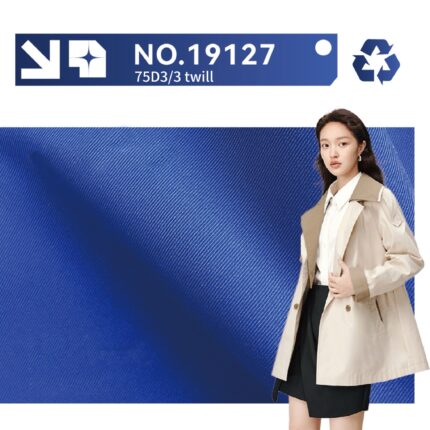
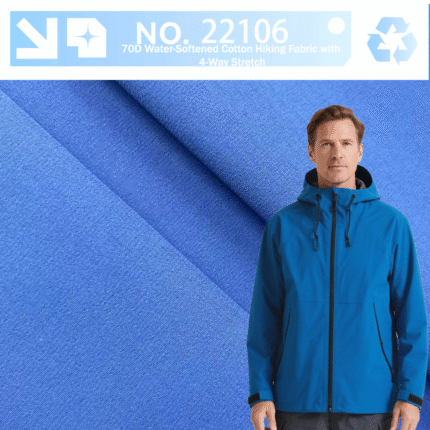
Matte Low-Elastic T400 3/3 Twill Fabric
原价为:$2.50。$2.46当前价格为:$2.46。meters
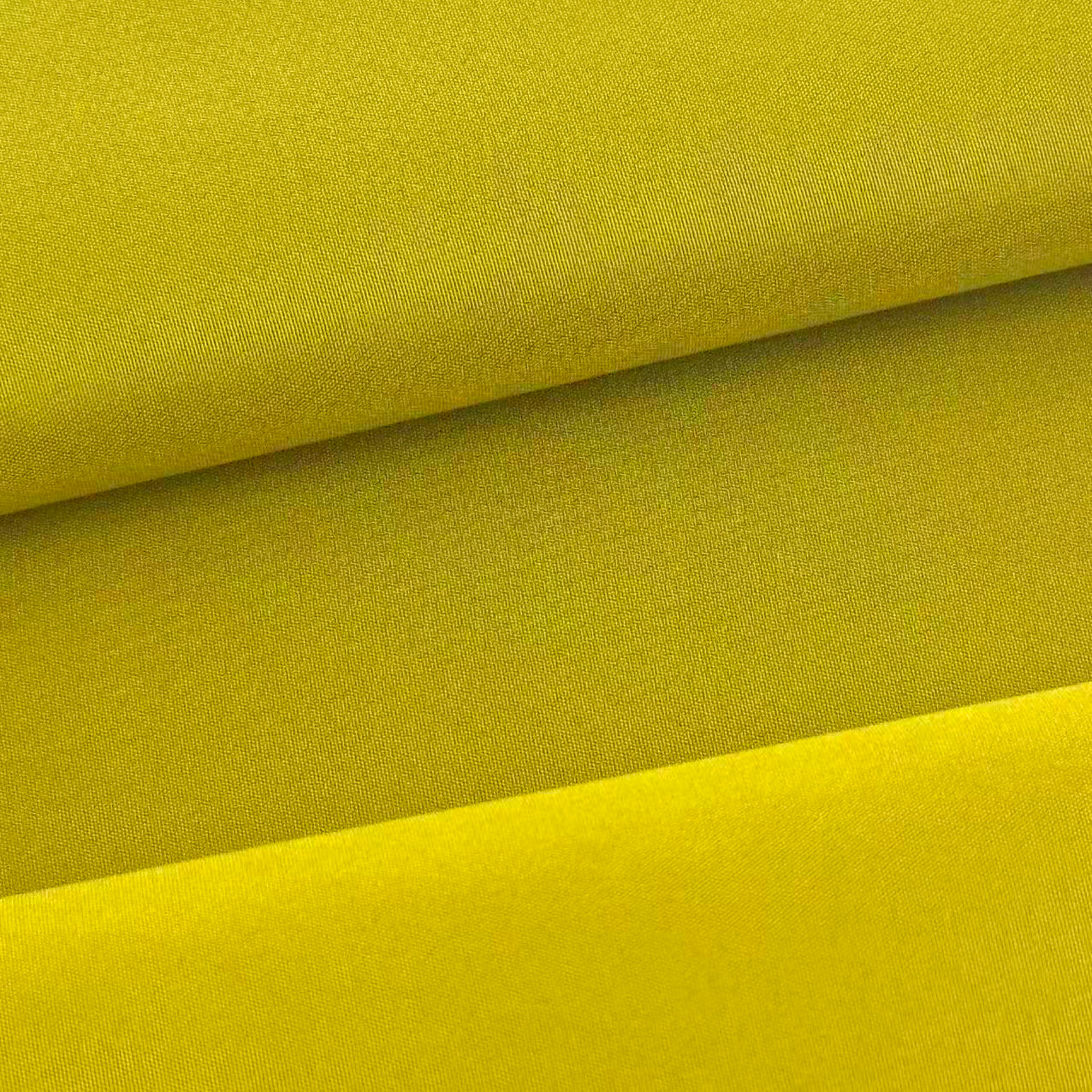
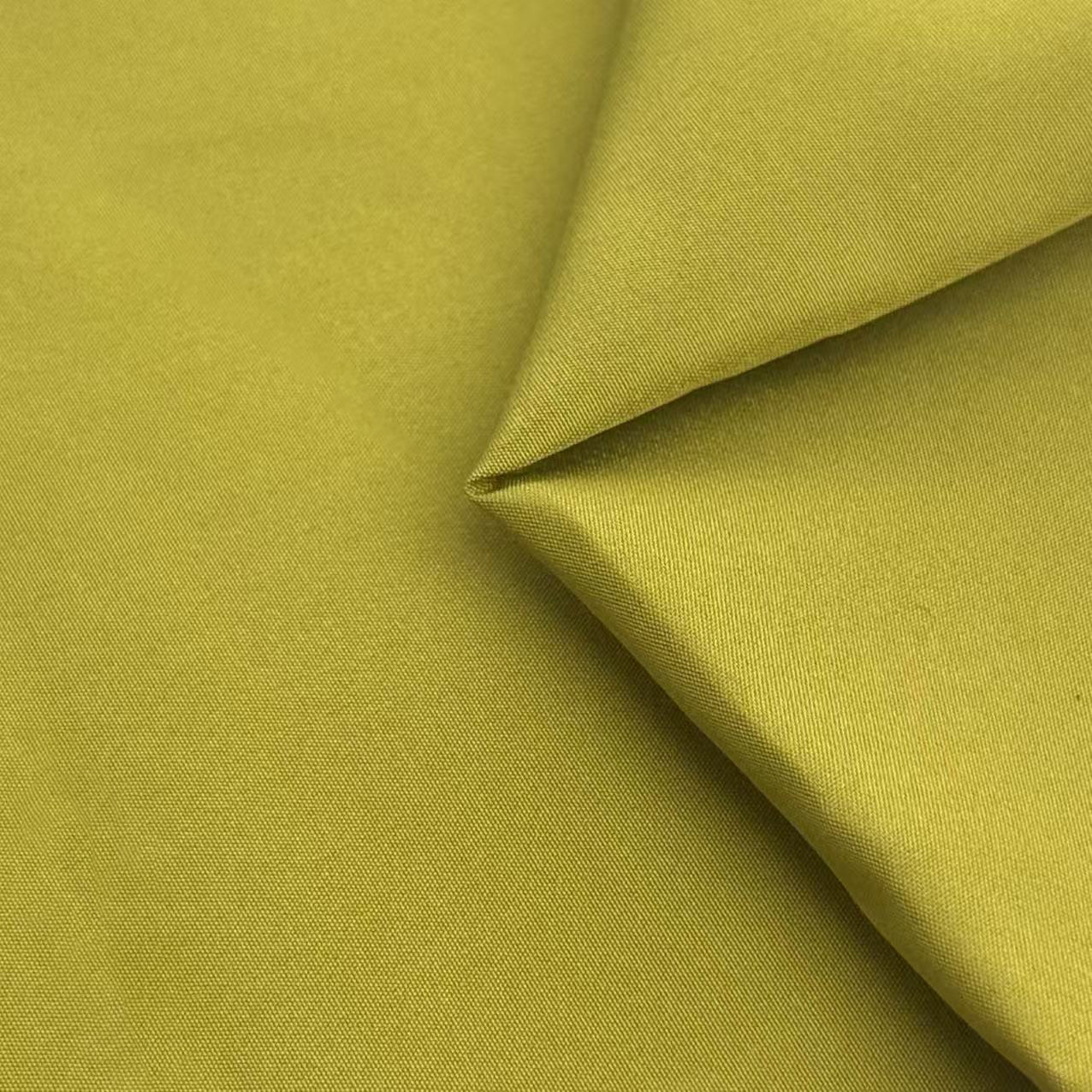
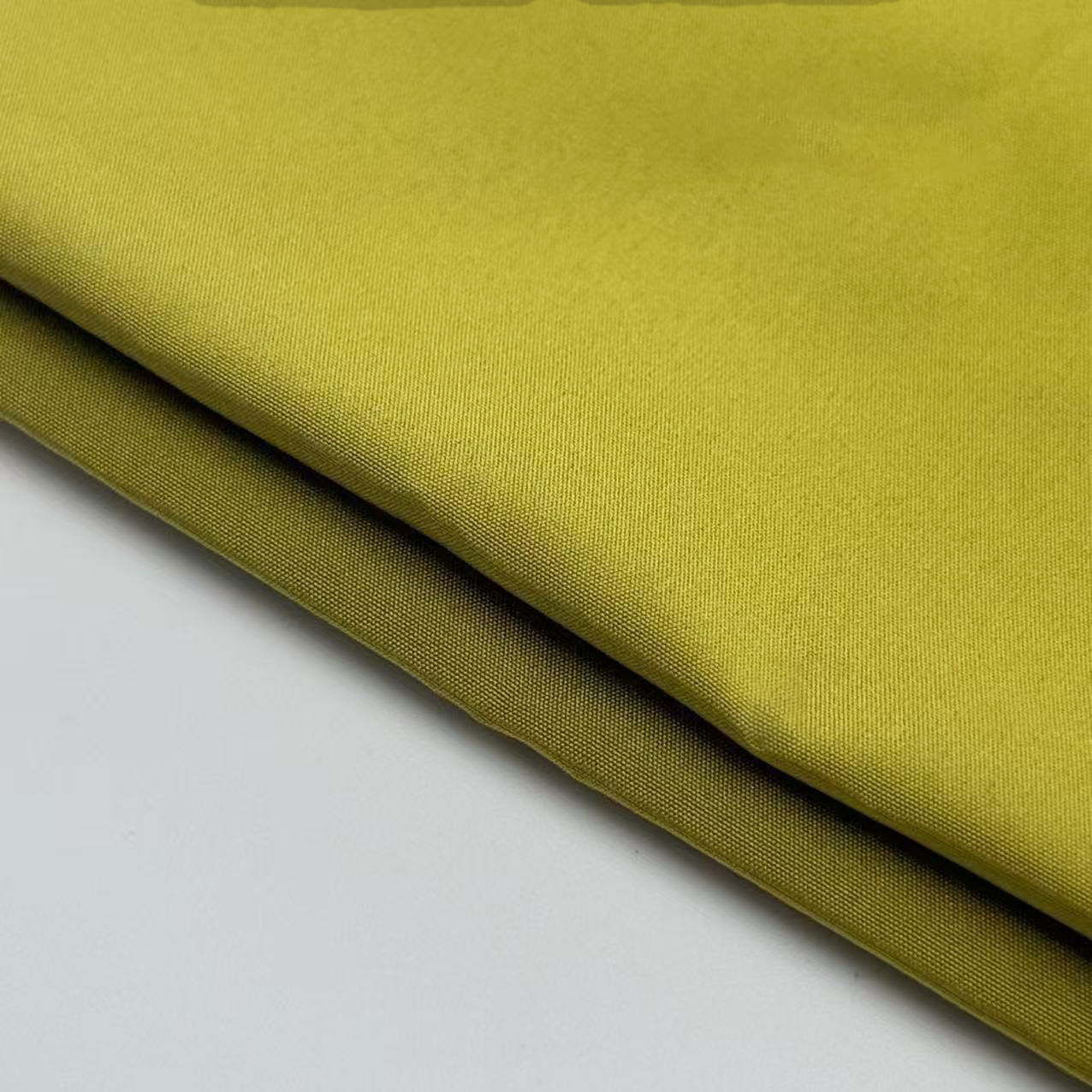
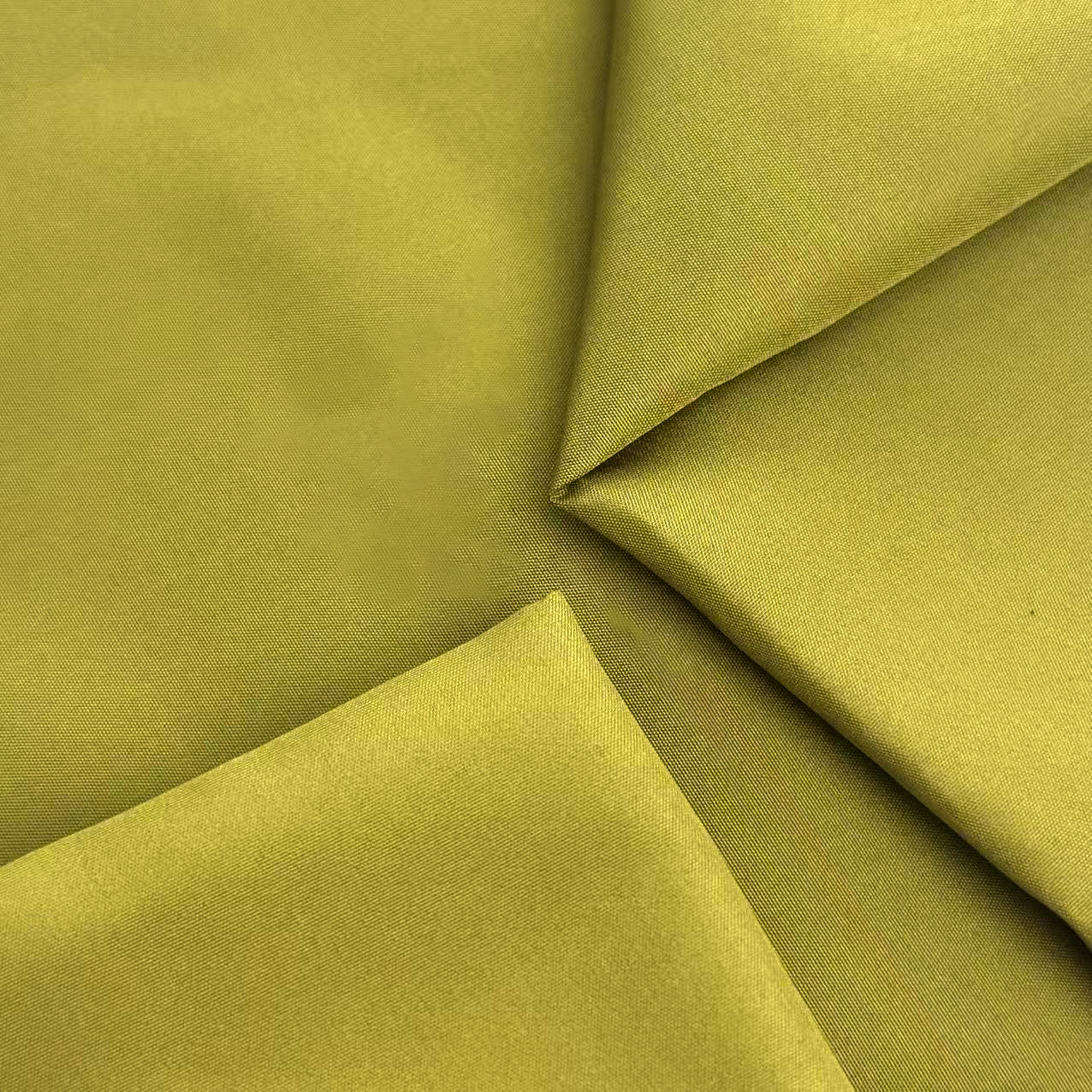
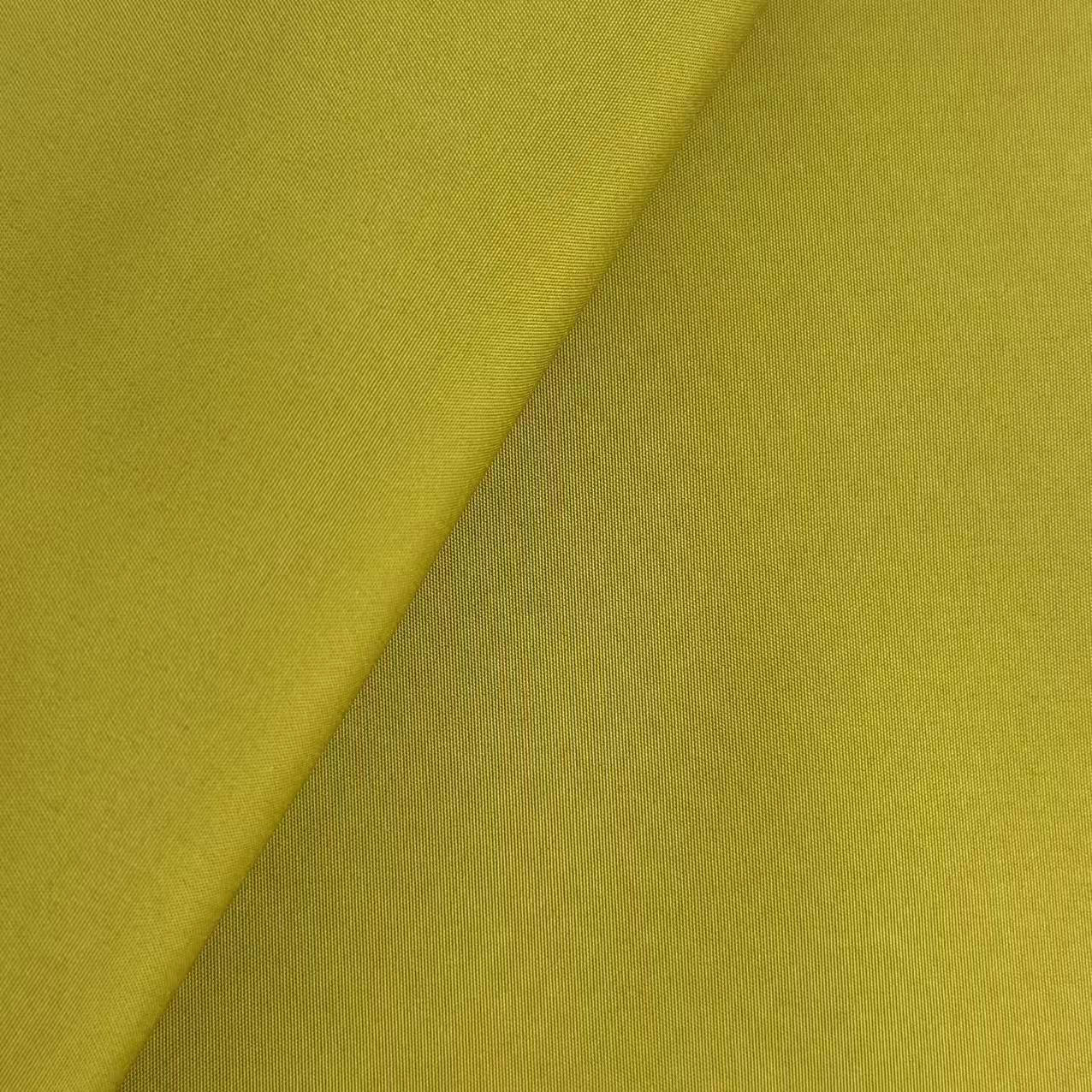
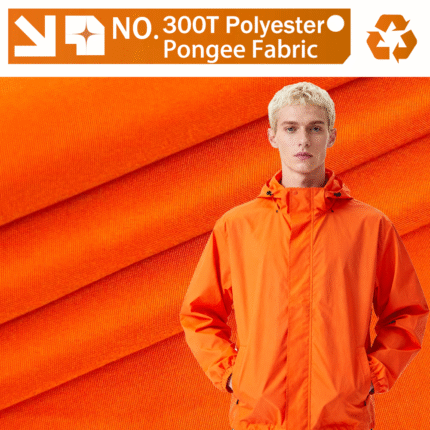
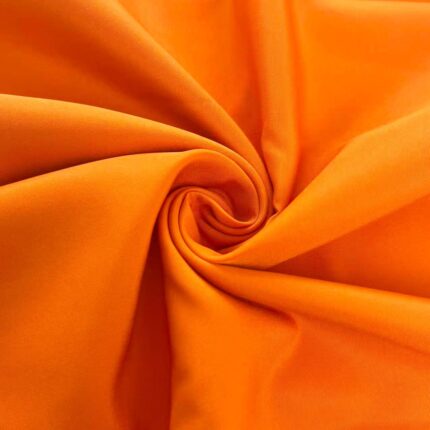
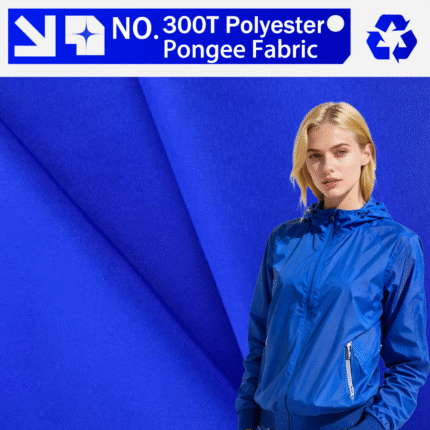
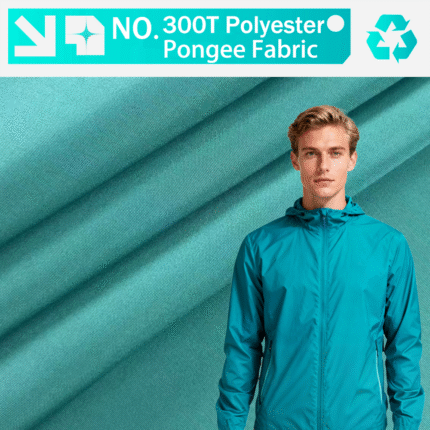
300T Polyester Pongee Fabric
$0.42meters
Gram weight :65g/sqm
Specification :50D*50D
Width :150CM
1.Lightweight, breathable & smooth to the touch
2.High-density, wind-resistant & water-repellent
3.Wear-resistant, wrinkle-resistant & easy to care for
4.Cost-effective with wide applications
描述
300T Polyester Pongee Fabric is a high-density, multi-functional fabric widely used in clothing and light outdoor fields, favored for its lightweight, durable and practical performance, and has become a mainstream choice in many application scenarios.
I. Yarn & Material Specifications
This fabric takes 100% polyester fiber as the core raw material, with a scientific and precise yarn matching scheme. Polyester fiber itself has excellent mechanical properties, such as high tensile strength, good wear resistance and not easy to break, which provides a solid material foundation for the fabric’s durability. In terms of yarn fineness, it adopts fine-denier polyester yarn (usually 50D or 75D yarn as the base), which not only ensures the fabric’s lightweight texture (the weight per square meter is generally 60-80g, suitable for lightweight clothing) but also lays the groundwork for the subsequent high-density weaving process, making the fabric surface more compact and smooth.
II. Fabric Density Characteristics (300T)
The “300T” in the fabric name refers to its weaving density, specifically meaning that there are about 300 warp and weft yarns per square inch of the fabric (the total number of warp and weft yarns). This high-density characteristic is one of the core advantages of 300T Polyester Pongee Fabric: compared with low-density polyester fabrics (such as 210T, 240T), its fabric structure is tighter, the yarn gap is smaller, which not only makes the fabric surface more flat and smooth (no obvious yarn gaps visible to the naked eye) but also brings excellent basic performance – such as better wind resistance (can block the invasion of light and medium wind), and at the same time, it can be used as a good base fabric for subsequent coating or laminating processes (the tight structure prevents the coating from penetrating into the fabric interior, ensuring the uniformity of the coating layer).
III. Core Texture of Polyester Pongee
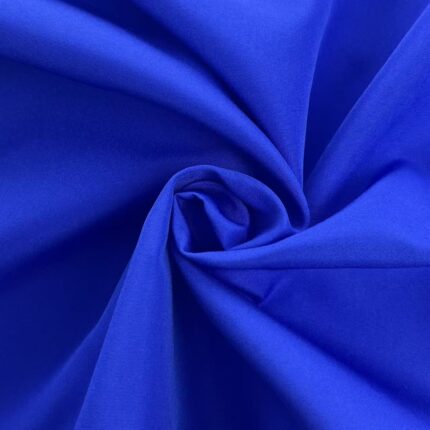
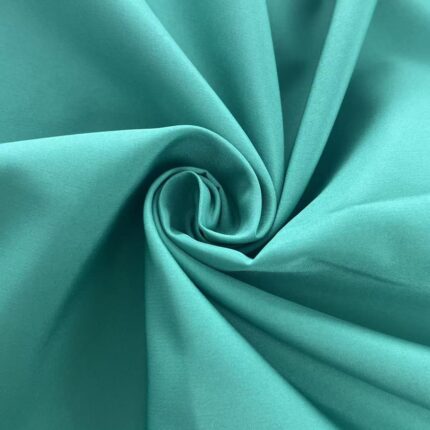
Polyester Pongee, also known as “polyester poplin” in the industry, has a unique texture style. The fabric surface presents a soft luster (not a strong glare, but a subtle matte luster), and the hand-feel is smooth and slightly cool to the touch, without the rough feeling of ordinary thick polyester fabrics. After special finishing processes (such as mercerizing or anti-static finishing), the fabric’s surface smoothness is further enhanced, and it is not easy to absorb dust or hook yarns in daily use. In addition, the fabric has good drapability – when made into clothing, it can form a natural and neat silhouette, avoiding the stiffness of some high-density fabrics, and is suitable for styles that require a certain sense of drape.
IV. Fabric Features
Comfort and Hand-Feel
Despite its high density, the fabric maintains a lightweight texture, so it will not bring a heavy wearing burden to the human body (especially suitable for spring and autumn outerwear or summer light windbreakers). The smooth surface of the fabric reduces friction with the skin, and even when worn close to the body (such as as a lining of down jackets), it will not cause discomfort such as itching. At the same time, the polyester fiber’s good breathability (optimized through the high-density weaving process) ensures that the fabric can discharge the excess heat of the body in time, avoiding stuffiness during long-term wearing.
Functional.
其他信息
| Weight |
65gsm |
|---|---|
| Width |
150cm |
| Specification |
50D*50D |
用户评价 (0)
Shipping & Delivery
评价
目前还没有评价